Sonoita wine tasting tours immerse visitors in Arizona's rich viticultural history, showcasing unique terroir and diverse winemaking techniques rooted in tradition and innovation. Local winemakers blend ancient practices, like hand-picking and natural fermentation, with modern methods, leveraging sustainable farming and advanced equipment. These tours offer insights into Sonoita's historical evolution, from frontier settlement to vibrant wine destination, while providing tastings, educational programs, and experiences at dozens of wineries showcasing varied narratives and distinctive blends.
The rich history of Sonoita wine is a tapestry woven with intricate threads of tradition and innovation. This small yet vibrant community has long been recognized for its exceptional viticulture, offering a unique glimpse into the past and present of winemaking. However, exploring this legacy through traditional means can be limiting. To truly delve into Sonoita’s narrative, one must engage in interactive experiences—specifically, sonoita wine tasting tours. These immersive journeys allow enthusiasts to connect with the land, understand vintage stories, and appreciate the art behind every bottle, providing an invaluable appreciation of this region’s enduring wine heritage.
- Unveiling Sonoita's Wine Roots: A Historical Journey
- Exploring Traditional Viniculture Techniques in Sonoita
- The Evolution of Sonoita Wineries: Past to Present
- Immersing in Sonoita Wine Tasting Tours: Best Practices
- Understanding Terroir: Soils and Climate in Sonoita Wine Production
- Modern Innovations Shaping Sonoita's Wine Industry Today
Unveiling Sonoita's Wine Roots: A Historical Journey
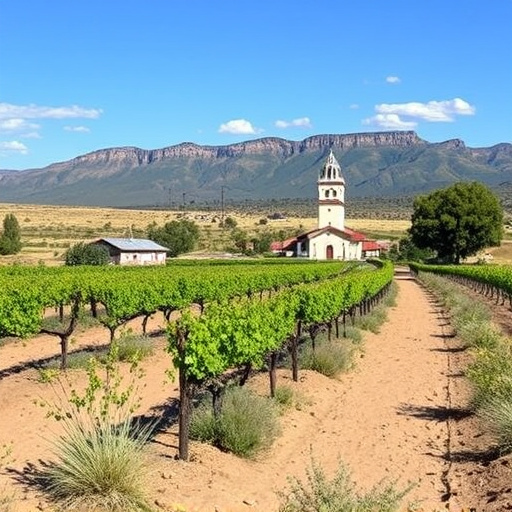
Sonoita’s wine history is a captivating tale that unfolds through its interactive tasting room visits, offering a journey into the roots of this vibrant wine-making region. This small town in Arizona has seen a metamorphosis over the years, transforming from a quiet frontier settlement to a thriving hub of viticulture. By participating in sonoita wine tasting tours, visitors can gain an intimate understanding of the area’s unique terroir and the historical factors that shaped its renowned wines.
The early 20th century marked a pivotal point in Sonoita’s wine journey. Driven by the passion of pioneering winemakers, the region experienced a renaissance when grapevines were first planted in the late 1970s. Over time, these efforts flourished, and Sonoita established itself as a prominent player on Arizona’s wine map. Today, dozens of wineries dot the landscape, each with its own story to tell. During these immersive sonoita wine tasting tours, visitors can explore these narratives, from the challenges faced by early settlers to the innovative techniques adopted by modern-day vintners.
Tasting room visits provide a unique opportunity to connect with the past while anticipating the future of Sonoita’s wine industry. Each winery offers a distinct perspective on the region’s history, often reflected in their wines. For instance, some establishments highlight the influence of Native American traditions and the ancient grape varieties they introduced, while others emphasize the more recent European immigration and the grape cultivars they brought with them. This rich historical tapestry is interwoven with the present, as winemakers continue to experiment and refine their crafts. As a result, visitors gain not just a taste but an authentic experience of Sonoita’s evolving wine culture.
Exploring Traditional Viniculture Techniques in Sonoita
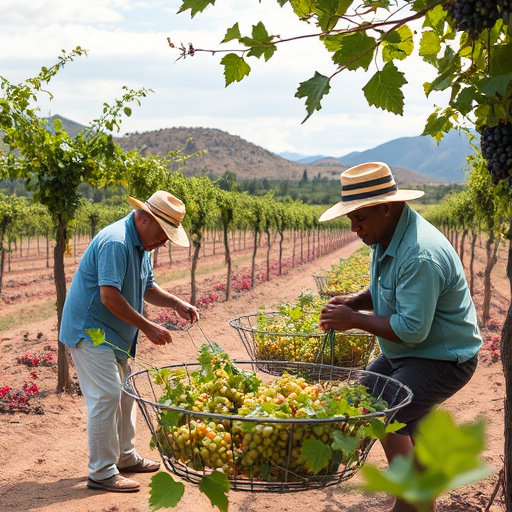
Sonoita, Arizona, has long been recognized for its unique wine history and traditional viniculture techniques. Exploring these methods involves delving into the region’s rich past and engaging with local experts during sonoita wine tasting tours. One of the most striking aspects is the area’s natural terroir, characterized by volcanic soil and a diverse microclimate, which allows for a wide range of grape varieties to thrive. This variety has fostered an authentic approach to winemaking that sets Sonoita apart from other viticultural regions.
Traditional viniculture in Sonoita encompasses both ancient and modern practices. Local winemakers often employ techniques passed down through generations, such as hand-picking grapes and using open-topped fermenters to promote natural yeast fermentation. These methods prioritize minimal intervention, ensuring the distinct flavors of each vintage are preserved. For instance, many wineries in Sonoita use gravity flow systems to move grapes and wine, avoiding the need for pumping and reducing potential oxidation. This commitment to preserving tradition results in wines that offer a unique glimpse into the region’s historical winemaking practices.
Sonoita wine tasting tours provide an excellent opportunity to learn about these traditional techniques firsthand. During these visits, tourists can observe winemakers at work, engage in insightful conversations, and taste the final products. By participating in such immersive experiences, visitors gain a deeper appreciation for the craftsmanship behind Sonoita’s renowned wines. Moreover, many local wineries offer educational programs that detail the region’s historical significance in the American wine industry, further enriching the overall visitor experience.
The Evolution of Sonoita Wineries: Past to Present
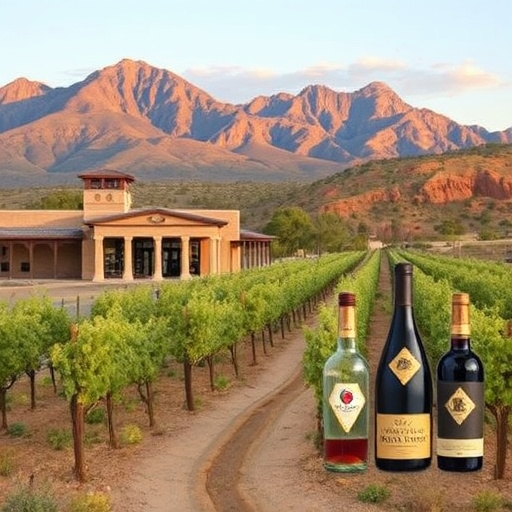
Sonoita’s wine history is a captivating journey through time, best explored via interactive sonoita wine tasting tours. The region’s wineries have evolved significantly since their inception in the late 19th century. Early viticulture was influenced by Spanish missionaries who introduced grapevines to what is now Arizona. These early efforts laid the groundwork for future success, with Sonoita eventually becoming a prominent player in the state’s burgeoning wine industry.
Today, the landscape of Sonoita wineries reflects a dynamic evolution. Many historic operations have passed through generations, adapting to changing tastes and technologies. Newer establishments, meanwhile, bring fresh perspectives and innovative practices. This blend creates a vibrant ecosystem where past traditions meet modern experimentation. For instance, some wineries preserve ancient grape varieties while others embrace cutting-edge sustainable farming methods, showcasing the region’s ability to reconcile heritage with innovation.
Sonoita wine tasting tours offer visitors a unique chance to engage directly with this evolution. By visiting both historic and contemporary establishments, tourists gain insights into the region’s rich viticultural history and its ongoing transformation. Through these experiences, one can appreciate how Sonoita has carved out a distinctive niche in the global wine scene, known for its robust reds, crisp whites, and unique blends that reflect the terroir of the Sonoran Desert. Such tours not only enrich the palate but also provide a deeper understanding of the past, present, and future of Sonoita’s winemaking legacy.
Immersing in Sonoita Wine Tasting Tours: Best Practices
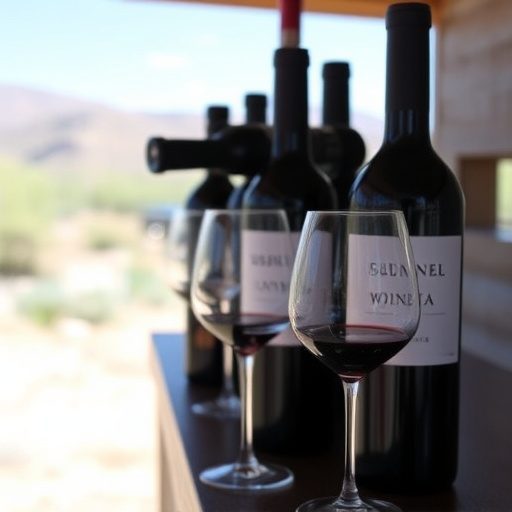
Immersion in sonoita wine tasting tours offers an unparalleled opportunity to delve into the rich history and diverse terroir of this renowned wine region. For a truly authentic experience, consider joining guided tours led by expert sommeliers who can navigate the complex landscape of local vintages. These professionals provide insights into traditional winemaking practices, unique varietal choices, and the impact of Sonoita’s climate on each bottle’s character.
During your tour, engage with multiple wineries to gain a holistic understanding of the region’s diverse offerings. Each establishment offers distinct experiences, from expansive vineyards to cozy cellars. Tasting rooms often feature interactive exhibits showcasing the area’s geological features and viticultural heritage. Engage in conversations with winemakers who are passionate about their craft and eager to share stories about their unique blends.
Best practices for maximizing your sonoita wine tasting tours include planning ahead, booking popular spots early, and respecting each winery’s pace. Dress appropriately for outdoor activities, as many tours traverse picturesque landscapes. Remember to taste responsibly, taking time between sips to appreciate the nuances of each wine. Keep an open mind and embrace the journey—each pour tells a story that contributes to Sonoita’s rich wine history.
Understanding Terroir: Soils and Climate in Sonoita Wine Production
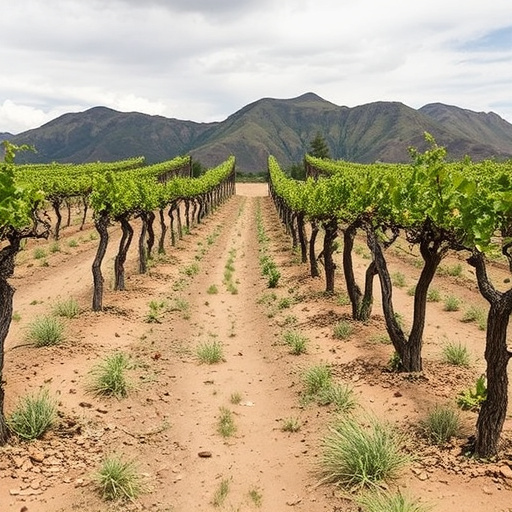
The terroir of a region—its unique combination of soil, climate, and geography—plays a pivotal role in shaping the distinctive characteristics of its wines. In Sonoita, Arizona, this natural symphony creates a tapestry of flavors that sets its wine apart. When exploring Sonoita wine history through interactive tasting room visits, understanding the terroir becomes an essential component of the sensory experience.
Sonoita’s vineyards benefit from a diverse range of soil types, including sandy loams and clay-rich soils, each imparting specific mineral notes to the grapes. The region’s semi-arid climate, characterized by warm days and cool nights, slows down grape ripening, allowing for balanced sugar levels and vibrant acidity. These conditions are particularly suited for grape varieties like Grenache, Mourvèdre, and Syrah, which thrive in similar Mediterranean climates worldwide. For example, many top-rated Sonoita wineries emphasize the subtle yet complex terroir expressions in their wines, with notes of desert spices, iron, and stone fruits reflecting the local soils and climate.
Engaging in sonoita wine tasting tours offers visitors a unique opportunity to connect with these nuances. By interacting directly with winemakers and tasting room staff, enthusiasts can gain insights into the specific vineyard locations, soil types, and climate factors that influence each bottle. This knowledge enriches the tasting experience, enabling patrons to appreciate the terroir-driven qualities of Sonoita wines. Moreover, many wineries provide detailed information about their vines’ microclimates and soils, allowing visitors to make more informed judgments and better understand the art and science behind every pour.
Modern Innovations Shaping Sonoita's Wine Industry Today
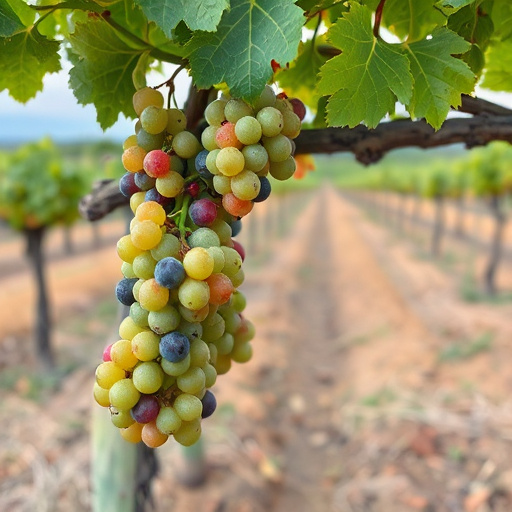
Sonoita’s wine industry has experienced a remarkable transformation in recent years, thanks to modern innovations that have reshaped its traditional winemaking landscape. This small but vibrant community, nestled in the heart of Arizona’s Sonoran Desert, has become a hub for experimental viticulture and creative expressions of terroir. Sonoita wine tasting tours offer visitors an unparalleled opportunity to engage with these developments firsthand.
One notable innovation is the adoption of sustainable and organic farming practices. Many wineries in Sonoita have embraced eco-friendly methods, minimizing chemical use and promoting biodiversity. For instance, some producers employ cover crops to enrich the soil, reduce erosion, and support local wildlife. These efforts not only contribute to a healthier ecosystem but also translate into more distinctive and pure wines. Tour guides often highlight these sustainable practices during tastings, providing insights into how they enhance the wine’s character.
Furthermore, technological advancements have played a pivotal role in elevating Sonoita’s wine profile. Wineries utilize cutting-edge equipment for precise winemaking, from temperature-controlled fermentation tanks to state-of-the-art barrel aging programs. These innovations allow winemakers to experiment with diverse grape varieties and unique aging techniques, resulting in a diverse range of high-quality wines. Visitors can explore these modern facilities during interactive sonoita wine tasting tours, learning about the science behind each bottle while enjoying its delicious fruits.
Actionable advice for tourists interested in experiencing Sonoita’s evolving wine scene includes booking guided tours that emphasize sustainability and technology. Engaging with knowledgeable sommeliers who can provide detailed insights into the winemaking process will enrich the overall experience. Moreover, exploring off-the-beaten-path wineries often showcases the region’s most innovative practices, ensuring a memorable journey through Sonoita’s dynamic wine history.
By delving into Sonoita’s wine history through interactive tasting room visits and exploring various aspects of its viniculture, from traditional techniques to modern innovations, readers have gained a profound understanding of what makes Sonoita wine unique. Key insights include the region’s rich historical roots, the importance of terroir in shaping wine characteristics, and the evolution of local wineries over time. Understanding these elements is crucial for appreciating the craftsmanship behind each glass. Moving forward, engaging in sonoita wine tasting tours offers practical next steps for individuals seeking to deepen their knowledge and experience the authentic essence of Sonoita’s viticultural heritage.