Sonoita wine tasting tours highlight high elevation terroir (4,000-5,000 feet) fostering cool temperatures and diverse microclimates for grape growth. This results in vibrant, fruit-forward wines with complex aromas and balanced acidity, particularly from Grenache and Syrah varietals. Local wineries offer educational tours showcasing viticulture practices and the intricate connection between terroir and wine quality. These tours cater to all preferences, providing an authentic experience of Sonoita's distinct character and exceptional high-elevation wines, often paired with local cuisine for optimal enjoyment.
High elevation wines have gained a reputation for their exceptional quality and unique characteristics. Sonoita, known for its thriving vineyard landscape at significant altitudes, offers an unparalleled opportunity to explore these nuanced flavors. However, navigating the vast array of options during sonoita wine tasting tours can be daunting. This article delves into the art of savoring high-elevation wines, providing insights that enhance your experience. We guide you through the intricacies, ensuring you uncover the genuine essence of Sonoita’s viticultural legacy.
- Discovering Sonoita's Elevated Wine Terroir
- Exploring Vineyard Locations: High Country Charm
- Understanding High Elevation Wine Production
- Tasting Notes: Unique Flavors from Sonoita Tours
- The Art of Pairing: Local Cuisine & Fine Wines
Discovering Sonoita's Elevated Wine Terroir
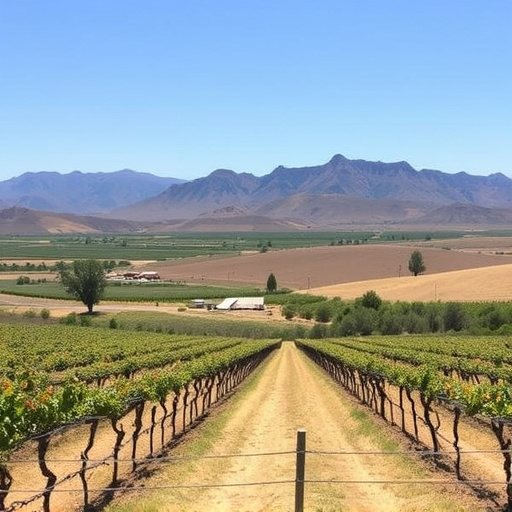
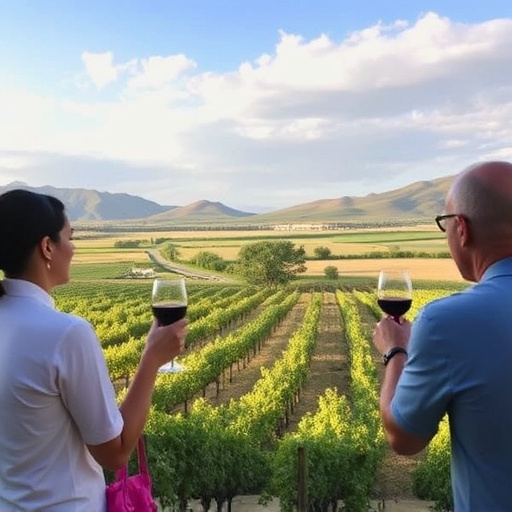
The elevation of a vineyard plays a pivotal role in shaping the character and quality of its wines, and Sonoita, nestled at an impressive 4,000 to 5,000 feet above sea level, offers a unique wine-tasting experience. This high altitude provides cooler temperatures, longer growing seasons, and distinct microclimates, all of which contribute to the exceptional terroir that defines Sonoita wines. During a sonoita wine tasting tour, visitors can expect to uncover this terroir’s influence on varietals like Grenache, Syrah, and Zinfandel, resulting in rich, complex flavors that set these wines apart.
The cooler temperatures at higher elevations slow down the ripening process, allowing grapes to accumulate more flavor compounds and develop a wider range of aromas. This slow maturation is evident in Sonoita’s vibrant fruit-forward wines with a distinct balance between acidity and tannin structure. For instance, a Grenache from Sonoita might display notes of cherry, raspberry, and a subtle earthy undertone, all characteristic of the region’s terroir. Syrah, too, benefits from this environment, producing wines with robust blackberry and peppery flavors alongside a velvety texture.
Sonoita’s wine-tasting adventures provide an opportunity to explore these unique characteristics firsthand. Local wineries often offer tours and tastings that educate visitors about the specific challenges and rewards of cultivating grapes at high elevations. By participating in these experiences, wine enthusiasts can gain a deeper appreciation for the art of viticulture and the intricate relationship between terroir and the final product. When planning a visit, consider engaging with knowledgeable staff who can guide you through this remarkable wine journey, ensuring an unforgettable experience that highlights Sonoita’s elevated terroir.
Exploring Vineyard Locations: High Country Charm
Understanding High Elevation Wine Production
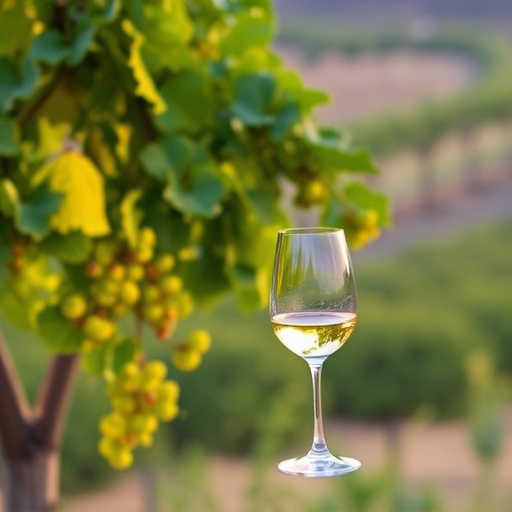
High elevation wine production is a specialized art, and Sonoita, Arizona, stands as a prime example of this unique terroir. Located at an average elevation of 4,300 feet, the region offers distinct challenges and advantages for viticulture compared to lower-lying areas. The cooler temperatures and reduced sunlight create a slower ripening process, allowing grapes to develop complex flavors and higher acidity levels. This natural environment is particularly suited for varietals like Tempranillo, Syrah, and Grenache, which thrive in these conditions, producing wines of remarkable character and quality.
Sonoita wine tasting tours provide an opportunity to explore this fascinating aspect of winemaking. Local vineyards have adapted their practices to maximize the benefits of high elevation. For instance, some winemakers choose to plant grapes on south-facing slopes to capture maximum sunlight during the cooler morning hours, while others employ canopy management techniques to regulate temperature and airflow around the vines. These strategies ensure optimal grape development, resulting in wines with balanced alcohol content, vibrant fruit flavors, and a crisp acidity that is characteristic of high-altitude vintages.
Expert sommeliers and winemakers emphasize that understanding this terroir is key to appreciating the unique qualities of Sonoita wines. During a sonoita wine tasting tour, visitors can gain insights into these practices and learn how they contribute to the region’s distinctive flavor profile. By engaging with vineyard owners and tasting their carefully crafted wines, one can truly savor the experience, appreciating both the art and science behind high elevation winemaking. This knowledge enriches the overall enjoyment of these exquisite beverages.
Tasting Notes: Unique Flavors from Sonoita Tours
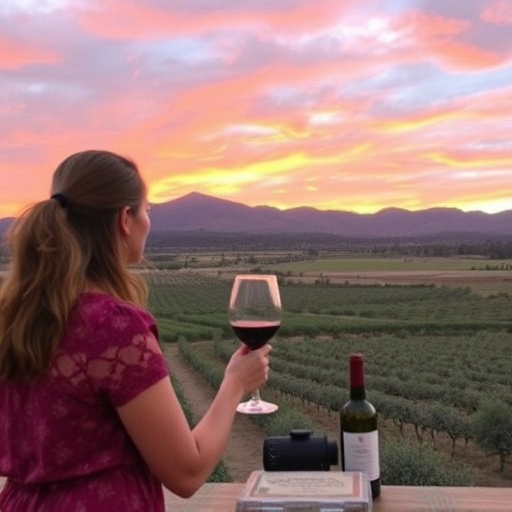
High elevation vineyards in Sonoita offer a unique terroir for wine enthusiasts to explore. During sonoita wine tasting tours, visitors can expect to uncover distinct flavors shaped by the region’s climate and soil composition. The cool nights and warm days create a balanced environment, allowing grapes to ripen slowly and develop complex aromas. This slow maturity results in wines with heightened acidity, vibrant fruit notes, and subtle floral or herbal undertones. For instance, a Syrah from Sonoita might display flavors of blackberry and peppercorn, complemented by a silky texture and savory notes that reflect the region’s minerality.
Sonoita’s microclimates vary across the hillsides, contributing to a diverse range of grape varieties and wine styles. Tour guides often point out these variations, enabling visitors to appreciate the art of terroir in practice. Some vineyards thrive on sunny slopes, producing bold red blends suitable for age, while others prefer shadier areas, cultivating more delicate white wines with crisp acidity. A visit to one such vineyard might introduce you to a Viognier, known for its floral and apricot-like characteristics, offering a refreshing contrast to the region’s typically robust reds.
When participating in sonoita wine tasting tours, pay close attention to the following: note the grapes’ origins and the specific blocks from which the wines are crafted. The subtle differences between them can be eye-opening. Also, consider the aging process; some wineries opt for more traditional methods, while others experiment with concrete vats or oak barrels, each imparting unique flavors and textures. Remember that these tours aren’t just about the final product but also the stories behind each bottle—the passion of the winemakers and the history of the region, all woven into the very essence of Sonoita’s high-elevation wines.
The Art of Pairing: Local Cuisine & Fine Wines
When embarking on Sonoita wine tasting tours, beyond simply appreciating the distinct flavors of high-elevation wines, lies the art of pairing them with local cuisine. This harmonious marriage enhances both the gastronomic and sensory experience. The key to successful pairings lies in understanding the unique characteristics of both the wine and food, considering factors such as texture, acidity, sweetness, and intensity.
For instance, lighter, crisp white wines from Sonoita, often made from varietals like Grenache Blanc or Viognier, pair beautifully with local tapas-style dishes. The freshness of these whites cuts through the richness of olive oil-based dips and creamy cheese spreads, while their subtle fruit notes complement the flavors of marinated vegetables and herbs. On the red wine front, medium-bodied Syrahs, a specialty of the region, can be paired with hearty meat dishes like wild boar sausages or grilled ribs. The peppery and spicy notes in these reds mirror the savory profiles of such meats, creating a satisfying balance on the palate.
Expert sommeliers suggest exploring local producers’ innovative pairings during your sonoita wine tasting tours. Many wineries offer chef-curated menus that showcase the region’s culinary diversity alongside their finest wines. This immersive approach allows you to discover unexpected alliances, such as pairing a sweet dessert wine with a rich chocolate mousse or combining a robust red with smoked fish. Remember, the art of pairing is both a science and an adventure; feel free to experiment and let your taste buds guide you through this delightful exploration.
Savoring high elevation wines during Sonoita wine tasting tours offers a unique sensory experience. Key insights from this article highlight the distinct terroir of Sonoita’s elevated vineyards, the production advantages of high country charm, and the remarkable flavors that result. By understanding these factors, enthusiasts can fully appreciate the unique taste profile of Sonoita wines. Pairing local cuisine with these fine wines enhances the overall experience, making each visit to a Sonoita vineyard an unforgettable journey for the senses. These insights empower wine lovers to explore and deeply connect with the art of high elevation winemaking during their next sonoita wine tasting tours.